
-large.webp)
Table of Contents
Robbery and Theft under Nepal's National Penal Code, 2074
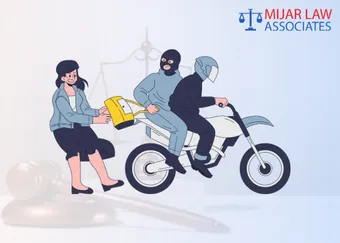
While both robbery and theft involve unlawfully taking someone else’s property, they differ significantly in terms of how the crime is committed. Theft refers to the unauthorized taking of property with the intent to permanently deprive the rightful owner of it, and it generally occurs without the use of force, threats, or deception. Common examples include shoplifting and pickpocketing. It is typically non-violent in nature. In contrast, robbery involves the use of force, fear, intimidation, or violence to obtain property, making it a more severe and confrontational offense. Due to its violent nature, robbery attracts harsher punishments under the law.
Categories of Theft in the National Penal Code, 2074
The National Penal Code of Nepal classifies theft into various categories based on the nature and circumstances of the act:
1. Ordinary Theft (Section 241)
A person is considered to have committed theft if they dishonestly take property owned, possessed, or controlled by another person, or move it without consent, intending to use or appropriate it unlawfully.
Punishment (Section 242):
- Imprisonment for 2 to 7 years and a fine of NPR 20,000 to 70,000 under certain conditions, such as:
- Theft of government, public, or religious property,
- Theft committed by making someone unconscious using alcohol or narcotics,
- Theft during natural disasters or civil unrest,
- Theft from one's employer,
- Theft on transport vehicles.
- Imprisonment up to 3 years and a fine up to NPR 30,000 in other general theft cases.
2. Burglary (Nakabajani) – Section 243
Burglary occurs when a person enters a property by breaking the main gate or using an unauthorized route to commit theft, or escapes through such routes after the act.
Punishment:
- Imprisonment for 3 to 5 years and a fine of NPR 30,000 to 50,000.
3. Robbery – Section 244
Robbery involves theft carried out through physical harm, threats, force, or deadly weapons. It also includes stealing while fleeing or resisting arrest.
Punishment varies by nature:
- Imprisonment for 7 to 14 years and a fine of NPR 70,000 to 140,000 for:
- Causing or attempting harm during theft,
- Extortion by threatening immediate death or restraint.
- Imprisonment for 5 to 10 years and a fine of NPR 50,000 to 100,000 for:
- Robbery on roads, isolated places, or forests with intimidation or weapons,
- Theft committed by a group of three or more people.
4. Pickpocketing – Section 246
This offense refers to stealing money or belongings from a person’s pocket, bag, or personal items in public areas or transit.
- If the stolen value exceeds NPR 10,000, it is treated as ordinary theft and punished accordingly.
Punishment:
- First offense: Imprisonment up to 1 month or a fine equal to the stolen amount or both.
- Subsequent offenses: Imprisonment up to 2 months or a fine equal to the stolen amount or both.
5. Possession of Theft Tools – Section 245
It is an offense to possess tools or devices such as keys, weapons, ladders, or gloves with the intent to commit theft or robbery.
Punishment:
- Imprisonment up to 1 year or a fine up to NPR 10,000, or both.
Recovery of Stolen Property
- The offender must return the stolen property or its value to the rightful owner.
- If the stolen item has already been consumed or lost, an equivalent amount must be reimbursed.
Although both theft and robbery involve the illegal taking of property, they are distinguished by the level of violence or intimidation involved. Theft is generally non-violent, whereas robbery includes aggressive or threatening behavior. The National Penal Code, 2074, categorizes theft into specific forms such as burglary, pickpocketing, and robbery, each with distinct penalties proportionate to the offense's gravity. The law emphasizes fair punishment and restitution to uphold justice and deter future crimes.
Disclaimer: This article is intended solely for informational purposes and should not be interpreted as legal advice, advertisement, solicitation, or personal communication from the firm or its members. Neither the firm nor its members assume any responsibility for actions taken based on the information contained herein.






-icon.webp)